Contents
Sapiens by Yuval Noah Harari stands out as a non-fiction book that transforms the entire history of humankind into an absorbing exploration of how Homo sapiens rose to dominate the planet. In 2025, debates over technology, climate change, and social justice make its central questions timelier than ever. Harari offers a sweeping narrative that reveals how myth, cooperation, and shared fictions remain powerful forces shaping today’s world. The book’s presence on bestseller lists and in public conversations from boardrooms to classrooms is proof of its social impact and enduring relevance.
Main Promise: Why Sapiens Matters Now
Harari’s Sapiens isn’t just a retelling of history; it challenges what readers think they know about the evolution of Homo sapiens. By focusing on three major revolutions—cognitive, agricultural, and scientific—the book connects past developments with modern dilemmas, such as technological disruption and ecological collapse.
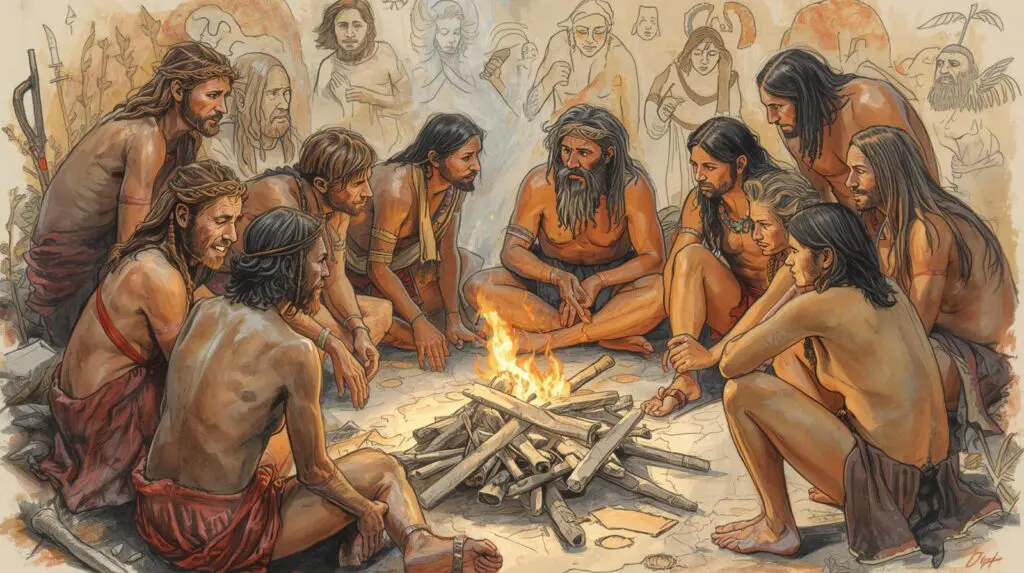
For anyone curious about how humanity came to hold such immense influence—often without clarity or morality—Sapiens presents a thrilling investigation. Its popularity among experts and young readers alike comes from Harari’s ability to make big ideas accessible to readers of all ages.
Author Check
Yuval Noah Harari, born in Israel in 1976, earned his PhD from the University of Oxford and lectures at the Hebrew University of Jerusalem. His background in medieval history, combined with a talent for blending philosophy, anthropology, and evolutionary science, positions him as one of the world’s most influential public intellectuals.

Harari’s organization, Sapienship, focuses on education and storytelling, bringing ancient patterns into the conversation about humanity’s future. His ability to analyze the human condition with depth and nuance is what gives his work authority and trustworthiness.
Core Concepts Breakdown
Big Idea 1: Shared Fictions
Harari introduces “shared fictions” as the engine powering large-scale human cooperation. From religion and money to government and corporations, these constructs exist only in the common imagination of human beings. For example, money’s value arises from collective belief—a concept both brilliant and unsettling in a world defined by increasingly abstract currencies.

Actionable takeaway: Recognize the power of imagined realities—question where trust and authority truly come from in daily life.
Big Idea 2: Evolution Has No Purpose
Harari argues that evolution operates without a goal or direction. This assertion undermines notions of human specialness and destiny—the fate of Homo sapiens is a temporary product of adaptation, not a predetermined cosmic plan. Harari’s claim feels provocative, but it’s backed by evolutionary biology and ongoing debates in modern science, shaking readers’ confidence in inherited narratives about progress and meaning.
Personal application: Reflect on the cultural myths that shape identities and understand that most social hierarchies are inventions, not natural laws.
Big Idea 3: Happiness and Meaning
The book explores how technological advances have failed to guarantee happiness or authenticity. Harari draws from evolutionary psychology—aligning happiness with expectations rather than achievements—and discusses how shared fictions provide or strip life of meaning.
Implementation advice: Build meaning by participating in enduring stories, values, and communities, but remain aware of their constructed nature.
What I Connected With
Harari’s lens is intensely multidisciplinary, combining historical evidence, scientific reasoning, and philosophical inquiry. The writing style is engaging, with clear, vivid explanations and a willingness to question assumptions that make complex ideas approachable. The book’s immediate practical value lies in reframing how readers experience work, society, and personal choices within the broader context of historical narratives.

Strengths of This Book
- Meticulous research supported by strong evidence from anthropology, archaeology, and evolutionary theory.
- Accessible storytelling that never sacrifices intellectual rigor for entertainment, maintaining the credibility befitting a bestseller.
- Unique insights into the development of Homo sapiens—where most history books stop at culture, Harari exposes the biological and psychological mechanisms at work.
Areas for Improvement
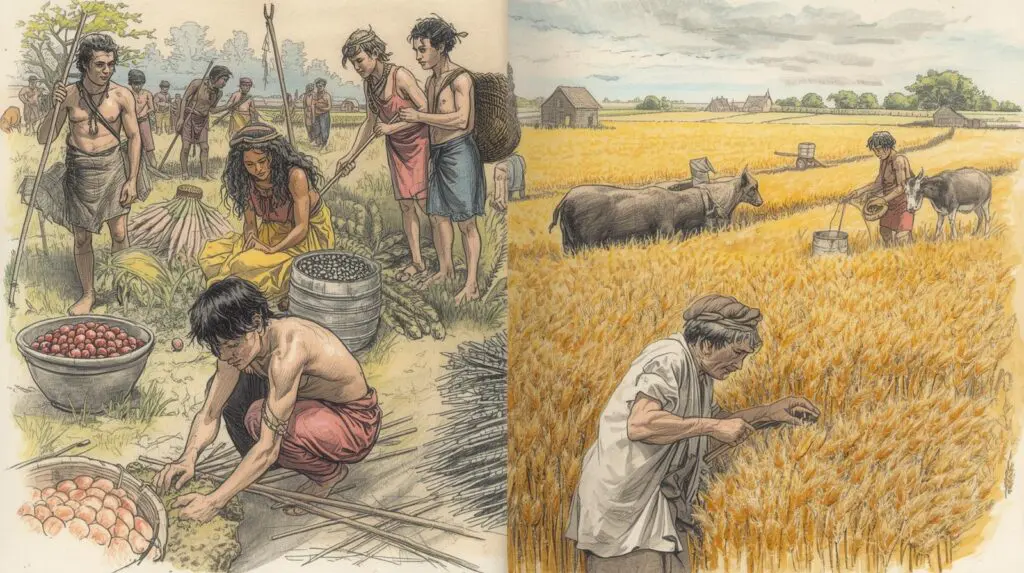
- Harari’s broad thesis sometimes sacrifices depth for scope, leaving some controversies in evolutionary biology, such as group selection and the nuances of cognitive development, less explored.
- Certain claims (like labeling the agricultural revolution “history’s biggest fraud”) are argued passionately but might benefit from more balanced counterpoints for readers new to scientific history.
- The treatment of happiness occasionally feels abstract, with practical implications not as thoroughly developed as other sections.
Who Should Read This
Essential reading for anyone interested in the story and history of Homo sapiens.
- Students and teachers exploring the cognitive revolution or evolutionary theory.
- Professionals seeking the context behind technological and cultural upheavals.
- Readers who want to understand why shared trust systems—from money to justice—hold societies together.
Skip if: Deep specialists in evolutionary science might find some chapters familiar, though Harari’s synthesis remains refreshingly interdisciplinary.
Final Verdict
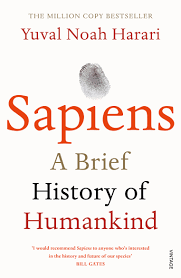
Sapiens delivers on its core promise: redefining the history of humankind while challenging readers to reconsider their understanding of progress, unity, and social order. Its intellectual ambition and narrative skill make it a modern classic—worth every minute of reading, whether in paperback, digital, or audiobook formats.
I would recommend this book to anyone interested in a fun, engaging look at early human history.
Bill Gates
At this moment in history, Harari’s book has never felt more urgent. Its insights are essential for anyone questioning the path of humanity’s future. For those seeking the best brainy books or aiming to purchase Sapiens for a deep understanding, this is one title that, put, lives up to the hype.
Quotable Moments
“Money is the most universal and most efficient system of mutual trust ever devised.”
“A meaningful life can be extremely satisfying even in the midst of hardship, whereas a meaningless life is a terrible ordeal no matter how comfortable it is.”
Related Resources
Complementary reading includes “Homo Deus: A Brief History of Tomorrow” by Harari and “The Dawn of Everything: A New History of Humanity” by David Graeber and David Wengrow, both of which extend themes around evolution, shared myths, and the future of Homo sapiens.
Connect and Discuss
- Have you read Sapiens?
- What impact did its ideas about the history of humankind have on your thinking?
- Share your experience implementing its core concepts—are shared fictions as powerful in daily life as Harari claims?
After you finish this book I have no doubt that, like me, you’ll want to get together with some of your favorite Homo sapiens to try to answer them.
Bill Gates




I do not even know how I ended up here but I thought this post was great I dont know who you are but definitely youre going to a famous blogger if you arent already Cheers
Thank You 🙂
I’ve been following your blog for some time now, and I’m consistently blown away by the quality of your content. Your ability to tackle complex topics with ease is truly admirable.
Thank You 🙂
Fantastic site A lot of helpful info here Im sending it to some buddies ans additionally sharing in delicious And naturally thanks on your sweat
Thank You 🙂
Simply desire to say your article is as surprising The clearness in your post is simply excellent and i could assume you are an expert on this subject Fine with your permission let me to grab your feed to keep up to date with forthcoming post Thanks a million and please carry on the gratifying work
Thank You 🙂
Absolutely! Your post brilliantly captures the essence of Harari’s ideas. It’s fascinating how shared beliefs and collective imagination shape civilizations. Truly thought-provoking and makes me reflect on the stories and ideas that govern our lives. Looking forward to reading more such insightful posts from you!
Thank you, Pandey Jee 🙏🏻